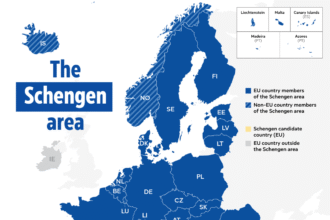
Portugal has emerged as one of the most attractive destinations in Europe for those seeking a new home, thanks to its welcoming culture, rich history, high quality of life, and strategic location within the European Union. One of the pathways to becoming a Portuguese citizen is through naturalization, a process that allows foreign nationals to apply for citizenship after meeting certain residency and integration requirements. For many, this route offers a clear and achievable way to gain access to the rights and privileges of EU citizenship, including free movement across the Schengen Zone, the right to live and work in any EU country, and access to Portuguese social benefits. This article provides a comprehensive guide to navigating the citizenship by naturalization process in Portugal, from eligibility criteria and application steps to legal considerations and common pitfalls.
Why Portugal Is a Popular Choice for Naturalization
Portugal consistently ranks highly in global quality-of-life indexes, offering a mild climate, beautiful landscapes, affordable living costs compared to many Western European countries, and a safe environment. In addition, the Portuguese government has created pathways that are relatively accessible compared to other EU countries. The naturalization process is governed by Portuguese nationality law, which has been updated in recent years to simplify access for certain groups, including children of immigrants and long-term residents. The official information on citizenship and naturalization requirements can be found on the Portuguese Government Portal.
Understanding Citizenship by Naturalization
Citizenship by naturalization is the legal process by which a non-Portuguese individual acquires citizenship after residing in the country for a specific period and demonstrating integration into Portuguese society. Unlike citizenship by descent, which is based on lineage, naturalization is granted at the discretion of the state, provided that the applicant meets the legal requirements. Naturalized citizens enjoy the same rights as those born Portuguese, including voting rights, access to public healthcare, and the ability to pass citizenship on to their children.
Eligibility Requirements
Residency Period
The primary requirement for naturalization is legal residence in Portugal for a specified number of years. As of the latest updates, the minimum residency requirement is five years for most applicants. This period can be shorter in certain cases, such as:
- Three years for individuals married to or in a de facto union with a Portuguese citizen.
- Reduced periods for individuals from Portuguese-speaking countries under special agreements.
Legal Residency Status
Applicants must have held a valid residence permit during the qualifying period. This can be obtained through various visa routes, such as:
- The D7 Visa (for retirees or passive income earners).
- The Golden Visa (through investment).
- The Highly Qualified Activity Visa (for skilled professionals).
Integration Requirements
Applicants must demonstrate effective integration into Portuguese society, typically through:
- Proficiency in the Portuguese language at a minimum of A2 level (Common European Framework of Reference for Languages).
- Knowledge of Portuguese history, culture, and civic values, often assessed through documentation and language certificates.
Good Conduct and Criminal Record
Applicants must have no criminal record for crimes punishable by a maximum prison sentence of three years or more under Portuguese law. A clean record from the country of origin and from Portugal is required.
Step-by-Step Naturalization Process
Step 1: Meet Residency Requirements
Before applying, ensure you have met the minimum residency period with legal status. Keep all documents related to your residence permits and entries/exits from the country.
Step 2: Prepare Required Documents
Commonly required documents include:
- Valid passport.
- Residence permit.
- Birth certificate (translated and apostilled).
- Criminal record certificates from Portugal and your country of origin.
- Proof of Portuguese language proficiency (usually via an official CIPLE A2 certificate).
- Proof of residence history (e.g., rental contracts, utility bills).
- Application form.
Step 3: Submit Application
Applications are submitted to the Instituto dos Registos e do Notariado (IRN), the Portuguese registry office responsible for nationality matters. This can be done in person or by mail to the Central Registry Office in Lisbon.
Step 4: Pay Fees
Application fees vary depending on the applicant’s situation but are generally around €250. Special exemptions or reductions may apply to certain groups.
Step 5: Wait for Processing
Processing times can range from 6 months to over a year, depending on the complexity of the case and the workload of the IRN. Applicants may be contacted for additional information or documents during this period.
Step 6: Receive Decision
If approved, you will take an oath of allegiance to Portugal, after which you become a Portuguese citizen and can apply for a Portuguese passport.
Language Requirements
One of the most important integration criteria is proving Portuguese language proficiency at the A2 level. This can be achieved through:
- Completing an official Portuguese language test (CIPLE).
- Providing a certificate from a Portuguese public school or recognized institution.
- Showing evidence of Portuguese-language education.
Language proficiency is crucial not only for application approval but also for daily life and integration in Portugal.
Special Considerations for Certain Applicants
Spouses of Portuguese Citizens
If you are married to or in a recognized de facto union with a Portuguese citizen for at least three years, you may apply for citizenship with a shorter residency requirement. You must provide proof of the marriage or union and evidence of ties to Portugal.
Citizens of Portuguese-Speaking Countries
Citizens from Lusophone countries (such as Brazil, Angola, and Mozambique) may benefit from simplified procedures and shorter residency requirements under the Community of Portuguese Language Countries (CPLP) agreements.
Children Born in Portugal
Children born in Portugal to foreign parents may acquire citizenship at birth or after a certain period of residence, depending on the parents’ residency status.
Common Challenges and How to Overcome Them
- Incomplete Documentation: Ensure all documents are translated into Portuguese by a certified translator and apostilled where necessary.
- Language Barrier: Begin learning Portuguese early in your residency to meet the A2 requirement comfortably.
- Criminal Record Issues: Address any minor offenses and consult with an immigration lawyer if you have concerns about eligibility.
- Long Processing Times: Apply as soon as you meet requirements and keep copies of all correspondence with authorities.
Rights of Naturalized Citizens
Once naturalized, you will:
- Have the right to live, work, and study in Portugal without restriction.
- Enjoy freedom of movement and residence in all EU/EEA countries.
- Vote and run for office in Portuguese elections.
- Pass citizenship to your children.
- Access Portuguese public healthcare and education systems.
Maintaining Your Citizenship
Portugal does not require naturalized citizens to give up their original nationality, as it allows dual citizenship. However, you must continue to comply with Portuguese laws and obligations, such as tax requirements if you are resident in the country.
Legal Support and Resources
While the process can be handled independently, many applicants choose to work with immigration lawyers to ensure compliance with all requirements and to navigate potential legal complexities. The Portuguese Government Portal provides official guidelines and application forms, and the IRN offices offer assistance for applicants.
Conclusion
Obtaining Portuguese citizenship by naturalization is a rewarding process that opens the door to numerous personal, professional, and travel opportunities within the European Union. While the process requires careful preparation, language proficiency, and a commitment to integration, Portugal’s relatively short residency requirement and inclusive approach make it one of the most accessible options in Europe. By understanding the eligibility criteria, following the application steps diligently, and preparing for potential challenges, you can successfully navigate your path to becoming a Portuguese citizen. For the most current legal requirements and official updates, always refer to the Portuguese Government Portal and seek professional guidance where necessary.