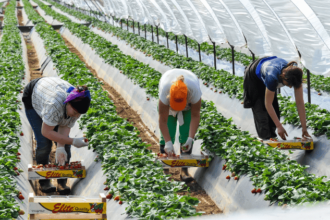
The EU’s Seasonal Work Visa is a legal pathway that allows non-EU and non-EEA nationals, commonly referred to as third-country nationals, to enter European Union member states for temporary employment in sectors with seasonal labour shortages. This visa was introduced under the EU Seasonal Workers Directive to regulate short-term migration while protecting both employers and foreign workers. It provides a structured framework for filling critical workforce gaps in industries such as agriculture, tourism, horticulture, and food processing, where demand fluctuates based on seasons.
What Is the EU Seasonal Work Visa
The EU Seasonal Work Visa is a temporary residence and work permit designed for third-country nationals who are employed in seasonal activities. It allows workers to stay in a specific EU country for a limited period, typically ranging from a few months up to nine months within a twelve-month period, depending on national legislation. The visa does not lead directly to permanent residence but offers repeat entry possibilities for future seasons.
Who Is Considered a Third-Country National
A third-country national refers to anyone who is not a citizen of:
- An EU member state
- The European Economic Area (EEA)
- Switzerland
This includes individuals from countries in Africa, Asia, the Middle East, South America, and other non-European regions seeking temporary employment opportunities within EU borders.
Purpose of the Seasonal Work Visa
The primary goals of the seasonal work visa include:
- Addressing labour shortages in high-demand sectors
- Preventing illegal migration and exploitation
- Creating regulated migration pathways
- Protecting workers’ rights and working conditions
- Supporting economic productivity across seasonal industries
Key Sectors Covered by the Visa
Seasonal work is limited to specific industries that experience predictable labour demand during certain periods. Common sectors include:
- Agriculture and crop harvesting
- Fruit picking and processing
- Forestry and horticulture
- Tourism and hospitality
- Catering and hotel services
- Food manufacturing during peak seasons
Eligibility Requirements for Applicants
To qualify for an EU seasonal work visa, applicants must meet certain criteria, which may vary slightly depending on the destination country. Common requirements include:
- A valid job offer from an EU-based employer
- Proof that the job is seasonal in nature
- A signed employment contract
- Proof of accommodation arrangement
- Valid travel documents
- Health insurance coverage
- Evidence of financial capacity for initial expenses
Role of the Employer in the Application Process
The employer plays a critical role in sponsoring the worker. In most cases, the employer must:
- Prove that no suitable local workers are available
- Provide a formal job offer
- Submit documents supporting labour needs
- Register the employment with national authorities
- Ensure compliance with labour standards
Application Process for Seasonal Work Visa
The typical application process involves the following steps:
- Securing a job offer from a licensed employer
- Submitting a visa application to the relevant embassy or consulate
- Providing biometric data such as fingerprints
- Submitting required supporting documentation
- Paying visa processing fees
- Awaiting approval decision
Processing timelines vary based on the country and season but are usually faster than long-term work permits.
Duration and Validity of the Visa
Seasonal work visas are issued for limited periods, usually:
- Up to 6 months per year in some countries
- Up to 9 months per year in others
- Based strictly on the employment contract
- Non-renewable beyond the seasonal period without reapplication
Workers must leave the host country after the visa expires unless they qualify for another legal residence status.
Rights Granted to Seasonal Workers
Holders of the EU seasonal work visa are entitled to certain rights, including:
- Fair working conditions
- Equal pay compared to local workers
- Safe accommodation standards
- Access to healthcare and social benefits (as defined by host country law)
- Legal protection against exploitation
Restrictions and Limitations
Despite its advantages, the seasonal visa has limitations such as:
- No pathway to permanent residence
- No automatic eligibility for family reunification
- Restricted to specific job roles
- Limited freedom to change employers
Country-Specific Differences
While the EU directive provides a general framework, each member state implements its own rules. Countries commonly issuing seasonal work visas include:
- Germany
- Spain
- Italy
- France
- Poland
- Netherlands
Each country sets its own quotas, duration limits, salary structures, and eligibility standards.
Documentation Required
Applicants generally need to prepare the following documents:
- Valid passport
- Employment contract
- Proof of accommodation
- Health insurance certificate
- Visa application form
- Passport-sized photographs
- Proof of financial support
Benefits of the EU Seasonal Work Visa
The visa offers several benefits, including:
- Legal access to EU employment
- Stable short-term income
- Opportunity for repeat seasonal employment
- Exposure to European work environments
- Skills development and international experience
Common Reasons for Application Rejection
Visa applications may be rejected for reasons such as:
- Incomplete documentation
- Invalid or non-seasonal job offers
- Failure to meet financial requirements
- Poor compliance history
- Incorrect employer registration
Rights Protection Under EU Law
The EU Seasonal Workers Directive ensures that migrant workers are not subjected to discriminatory practices. This includes:
- Equal treatment in pay and working hours
- Protection against unfair dismissal
- Access to complaint mechanisms
- Transparency in employment contracts
Strategic Considerations for Applicants
To improve success chances, applicants should:
- Apply early before peak seasons
- Verify employer authenticity
- Keep documentation organised
- Choose countries with high demand
- Understand local labour laws
Reapplication and Repeat Employment
Seasonal workers who perform well may be invited back by the same employer. Benefits of repeat employment include:
- Faster visa processing
- Employer trust and preference
- Increased job stability
- Improved work conditions
Impact on EU Labour Market
Seasonal migration plays a critical role in maintaining EU food supply chains, hospitality services, and agricultural productivity. It provides flexible workforce systems while contributing to economic sustainability.
Challenges Faced by Seasonal Workers
Some challenges include:
- Language barriers
- Cultural adjustment
- Temporary housing limitations
- Physical workload demands
- Limited integration opportunities
How to Avoid Exploitation
Applicants should take precautionary measures such as:
- Reviewing employment contracts carefully
- Avoiding unregistered agents
- Confirming employer licensing
- Reporting abuse to authorities
Long-Term Opportunities After Seasonal Work
Although the seasonal visa does not lead to permanent residence, it can help applicants:
- Build EU employment history
- Strengthen future visa applications
- Access skilled employment opportunities
- Transition to other legal migration routes
Final Thoughts
The EU Seasonal Work Visa provides third-country nationals with a legitimate opportunity to access temporary employment across European industries in need of seasonal labour. While it does not offer long-term residency options, it plays a vital role in bridging workforce shortages and offering legal income opportunities for foreign workers. By understanding eligibility requirements, complying with legal frameworks, and choosing reputable employers, applicants can benefit from a secure and structured pathway into the European labour market.