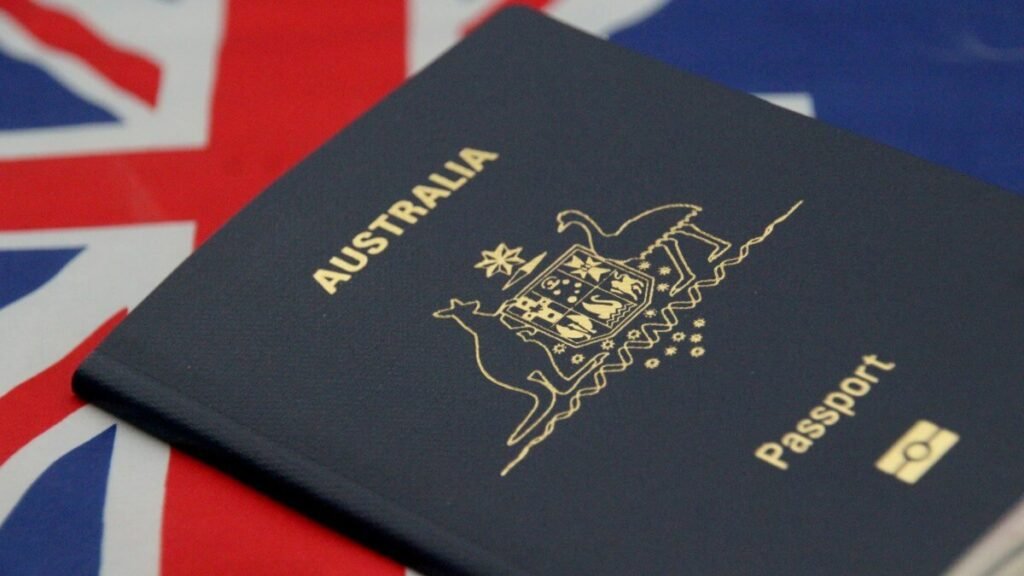
Sponsoring your children to join you in Australia is one of the most meaningful steps a parent can take toward family reunification. Whether you are a permanent resident, citizen, or eligible New Zealand citizen, Australia provides structured pathways for sponsoring dependent children. This comprehensive guide explains the available visa options, eligibility criteria, documentation requirements, application steps, processing timelines, and practical tips to help you bring your children to Australia lawfully and successfully. It also includes contextual links to important Australian Government resources for clarity and accuracy.
Understanding Child Sponsorship in Australian Immigration
Australia allows parents to sponsor their children under several visa subclasses. The appropriate visa depends on the child’s age, circumstances, and whether they are biological, adopted, or orphaned. Sponsorship ensures that the child can travel to, live in, or remain in Australia with their parent or legal guardian. Contextual Link: Department of Home Affairs – Child Visa Options: https://immi.homeaffairs.gov.au/visas/getting-a-visa/visa-listing/child-101-802
Visa Options for Sponsoring Your Child
1. Child Visa (Subclass 101 – Outside Australia / Subclass 802 – Inside Australia)
These visas allow a dependent child to migrate to Australia as a permanent resident. They apply to biological, adopted, or stepchildren. Children must generally be under 18, dependent full-time students aged 18–25, or children with disabilities.
2. Adoption Visa (Subclass 102)
This visa is specifically designed for children adopted overseas or in the process of being adopted by an Australian citizen, permanent resident, or eligible New Zealand citizen. Contextual Link: Adoption Visa Details: https://immi.homeaffairs.gov.au/visas/getting-a-visa/visa-listing/adoption-102
3. Orphan Relative Visa (Subclass 117 – Outside Australia / Subclass 837 – Inside Australia)
For children under 18 with no parents who can care for them due to death, disappearance, or incapacity. Sponsors must be relatives who can offer stable care. Contextual Link: Orphan Relative Visa: https://immi.homeaffairs.gov.au/visas/getting-a-visa/visa-listing/orphan-relative-117-837
4. Dependent Child Visa (Subclass 445)
Used when a parent is applying for a Partner Visa and needs to include the child. It allows the child to remain in Australia while the parent’s permanent partner visa is being processed. Contextual Link: Dependent Child Visa Information: https://immi.homeaffairs.gov.au/visas/getting-a-visa/visa-listing/dependent-child-445
Eligibility Requirements for Sponsoring Your Child
To sponsor your child, you must meet certain standard criteria. You must be an Australian citizen, permanent resident, or eligible New Zealand citizen. You must be able to prove your relationship with the child through birth certificates, adoption papers, or legal guardianship documents. Children must be single, financially dependent, and usually under 18. Full-time students between 18 and 25 may also qualify. Children with disabilities with full dependency status are eligible regardless of age. Sponsors must meet character requirements, pass background checks, and demonstrate the ability to support the child financially. More information: Home Affairs Sponsor Requirements: https://immi.homeaffairs.gov.au/help-support/who-can-sponsor-a-family-member
Documents Required for Child Sponsorship
Documentation plays a major role in successful applications. You will typically need a valid passport for the child, birth certificate or adoption records proving the relationship, passport-sized photographs, parental consent forms (when required), proof of dependency if child is over 18, health and character documents such as medical examinations and police checks, evidence of custody or guardianship if parents are separated, and sponsor’s identity and residency documents. Always use the Document Checklist Tool: https://immi.homeaffairs.gov.au/visas/web-evidentiary-tool
Step-by-Step Process to Sponsor Your Child for Australian Immigration
Step 1: Confirm the Correct Visa Subclass
Select a visa based on whether the child is inside or outside Australia, their age, and family situation. Use the Visa Finder Tool: https://immi.homeaffairs.gov.au/visas/getting-a-visa/visa-finder
Step 2: Create or Log into ImmiAccount
All applications are made online. Create or access your ImmiAccount here: https://online.immi.homeaffairs.gov.au/lusc/login
Step 3: Prepare and Upload Documents
Gather all required documents in digital format. Ensure translations for non-English documents. Maintain consistency across all submissions.
Step 4: Pay the Visa Application Charge
Fees vary per subclass. Use the Home Affairs Visa Pricing Estimator: https://immi.homeaffairs.gov.au/visas/visa-pricing-estimator
Step 5: Complete Health and Character Checks
Children may need medical exams. Sponsors may need police clearances. Health examinations: https://www.bupa.com.au/healthcare-providers/immigration-medicals
Step 6: Await Processing
Processing times vary. Permanent visas such as subclass 101/802 can take from several months to over a year. Check timelines here: https://immi.homeaffairs.gov.au/visas/getting-a-visa/visa-processing-times
Step 7: Receive Visa Outcome
If granted, your child can travel and live in Australia as a permanent resident. If refused, you may be able to appeal through the Administrative Appeals Tribunal: https://www.aat.gov.au/
Costs of Sponsoring a Child
Costs vary depending on the visa subclass. The Child Visa (subclass 101/802) typically has a significant application charge. Additional expenses include medical examinations, police clearances, translation services, and other administrative fees. Always verify up-to-date pricing using the Visa Pricing Estimator.
Parental Responsibility and Consent
If the other parent is alive, legal, and involved, Australian immigration requires consent for the child to migrate. Acceptable forms of consent include signed statutory declarations, court orders granting full custody, or legal documents showing sole parental responsibility. This rule helps prevent international child movement without proper authorization.
Common Reasons for Child Sponsorship Visa Refusals
Applications are sometimes refused for reasons such as insufficient evidence of relationship or dependency, missing documents, conflict in parental consent requirements, inaccurate or inconsistent details across forms, failure to meet health or character requirements, or sponsors not meeting eligibility criteria. Ensuring thorough and accurate documentation significantly reduces these risks.
Special Conditions for Adopted Children
For adopted children, the process requires compliance with both Australian immigration laws and international adoption regulations. Adoption must be legally finalized or in legally recognized progress for the visa to be issued. Proof of legal guardianship and compliance with local adoption rules in the child’s country of origin must be included.
Sponsoring Stepchildren
Stepchildren are eligible if the sponsoring parent is the current spouse or partner of the child’s biological parent. Proof of marriage or de facto relationship is required. If the stepchild’s biological parent does not have custody or the sponsor is no longer in a relationship with them, eligibility may be affected.
Financial Responsibilities of Sponsors
You must show that you can financially support the child and ensure they will not rely on government assistance. You may need to demonstrate stable income or employment. While not all subclasses require Assurance of Support, the department can request additional financial evidence if needed.
Benefits Your Child Receives After Immigration
Upon arrival as a permanent resident, your child gains access to education pathways, the Medicare public health system, long-term residence and future citizenship eligibility, protection under Australian law, and the ability to live and grow in a stable and safe environment.
Frequently Asked Questions
Can I sponsor my child if I am on a temporary visa?
No. You must be a permanent resident, citizen, or eligible New Zealand citizen.
Can I sponsor a child over 18?
Yes, only if they are full-time students under 25 or have a disability that makes them dependent.
Do I need parental consent from the child’s other parent?
Yes, unless you have sole custody or the other parent is deceased or uncontactable with legal proof.
Can my child work or study in Australia?
Children on permanent visas have full study and work rights according to Australian law.
Conclusion
Sponsoring your children for Australian immigration requires careful planning, complete documentation, and strict adherence to visa guidelines. Selecting the correct visa subclass, understanding eligibility rules, preparing strong evidence of relationship and dependency, and submitting your application early will significantly increase your chances of approval. By using official resources, maintaining accurate information, and ensuring legal parental consent, you can successfully bring your children to Australia and reunite your family under a secure and permanent residence pathway.