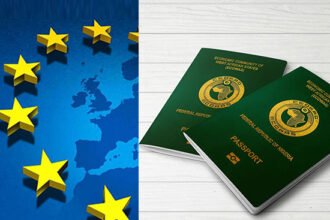
The United Kingdom’s exit from the European Union, commonly referred to as Brexit, has fundamentally transformed the immigration and visa landscape for EU citizens. Before Brexit, EU nationals could freely live, work, and study in the UK without the need for visas or work permits. This freedom of movement allowed millions of Europeans to settle in the UK with minimal bureaucracy. Since the end of the transition period on December 31, 2020, EU citizens face a points-based immigration system that closely resembles the rules applied to non-EU nationals. Understanding these changes is essential for EU citizens planning to move to the UK, whether for work, study, or family reunification.
One of the most significant changes introduced by Brexit is the end of freedom of movement. This policy previously allowed EU citizens to enter the UK, seek employment, enroll in education, and access healthcare and other public services without any visa requirements. Post-Brexit, new arrivals must secure a visa or residence permit to live or work in the country legally. EU nationals are no longer automatically entitled to public benefits, and their ability to rent property, access healthcare, and enroll in schools is now linked to their immigration status. For up-to-date information, the UK Government immigration portal provides official guidance for EU citizens navigating the new rules.
To protect those already living in the UK before Brexit, the government introduced the EU Settlement Scheme (EUSS). This scheme allows EU, EEA, and Swiss citizens residing in the UK by December 31, 2020, to apply for legal status. The scheme offers two main categories: settled status for those who have lived in the UK for five or more years, granting indefinite leave to remain, and pre-settled status for residents with less than five years of residence. Both statuses provide EU citizens with the right to work, study, and access healthcare and social services. The application deadline for most was June 30, 2021, though late applications are considered in certain circumstances. Full details and guidance can be found at the EU Settlement Scheme official page.
For EU citizens moving to the UK after Brexit, the country implemented a points-based immigration system that mirrors the rules for non-EU nationals. Under this system, entry depends on skills, job offers, salaries, and English language proficiency. The Skilled Worker visa replaces the automatic right to employment and requires applicants to have a job offer from a licensed UK sponsor. Minimum salary thresholds are enforced, with most positions requiring an annual income of £26,200 or £12.75 per hour. Successful applicants can live and work in the UK and become eligible for permanent settlement after five years. Detailed information on eligibility and application requirements is available at the Skilled Worker visa page.
High-skilled professionals have additional options through the Global Talent visa, which targets individuals in science, technology, engineering, arts, and research. This visa allows EU citizens to work without a traditional job offer if endorsed by recognized UK institutions. The Global Talent visa aims to retain and attract international talent, ensuring that the UK remains competitive in research, innovation, and creative industries. More information about eligibility and endorsement requirements can be found at the Global Talent visa page.
Students from the EU now require a student visa to study in the UK. This visa mandates admission to a recognized UK educational institution, proof of financial means to cover tuition and living costs, and English language proficiency. Student visa holders can work part-time, typically up to 20 hours per week during term time, which allows them to supplement living expenses while studying. EU nationals seeking information about student visas can refer to the UK student visa guidance.
Family reunification also changed significantly post-Brexit. EU citizens wishing to bring their spouse, dependent children, or other relatives to the UK must now apply for family visas, which require proof of the relationship and financial sufficiency. Family members granted visas generally receive the right to work and study, but applications must comply with specific criteria, including financial thresholds and accommodation requirements.
The Brexit-induced immigration changes have also had a substantial impact on residency and citizenship. EU citizens who resided in the UK prior to 2021 can benefit from settled or pre-settled status, providing rights to work, study, and access public services. For those arriving after Brexit, permanent residency is only attainable after completing a qualifying period on a visa such as the Skilled Worker or Global Talent visa. Naturalization as a British citizen is possible after fulfilling residency requirements, usually five to six years depending on the type of visa held. The UK citizenship portal offers comprehensive guidance on the naturalization process for EU citizens.
Employment opportunities for EU nationals have also been significantly affected. Previously unrestricted access to the UK labor market has ended, meaning all new EU employees must secure a visa before starting work. UK employers now have a legal obligation to verify work authorization for all staff, including EU citizens. Sectors that historically relied heavily on EU workers, such as healthcare, agriculture, hospitality, and construction, now require visa sponsorship, increasing administrative burdens for employers and workers alike.
Higher education has also been affected by Brexit. EU students are no longer eligible for home fee status, resulting in higher tuition costs for new arrivals. Access to student loans is limited or unavailable for many EU nationals, although some scholarships and financial support programs remain. Universities have adapted to the changes by providing guidance and resources for EU students navigating visa requirements and financial planning.
Travel and mobility between the UK and EU countries have also shifted. Short visits for tourism or business purposes are generally permitted for up to six months without a visa. However, longer stays or employment require the relevant visa type. EU citizens must now consider UK visa regulations when planning travel, work, or study, and those residing in the UK must comply with the new immigration requirements to maintain lawful status.
For practical guidance, EU citizens planning to relocate to the UK should apply for visas well in advance, secure employment from a licensed sponsor, and maintain proper documentation. Budgeting for visa fees, health surcharges, and higher tuition is essential. Legal advice from immigration professionals or consultancies can help navigate the complex rules, ensuring compliance and avoiding delays or refusals.
While Brexit has introduced challenges, EU citizens who were already living in the UK before the end of 2020 continue to benefit from protections under the EU Settlement Scheme. Those arriving after Brexit have access to a structured points-based immigration system that provides clear pathways for work, study, and family reunification. Understanding these policies is critical to successfully navigating post-Brexit life in the UK.
In conclusion, Brexit has fundamentally transformed the immigration landscape for EU citizens. Freedom of movement has ended, necessitating visas and permits for work, study, and family purposes. Established programs such as the EU Settlement Scheme offer protections for pre-Brexit residents, while the points-based immigration system regulates new arrivals. By understanding visa requirements, residency rights, and employment regulations, EU citizens can effectively plan their move to the UK and secure legal status for themselves and their families. Official guidance is available through the UK Government immigration portal and the EU Settlement Scheme for detailed application instructions.